Here is the direct mapping of the Iranian regime-survival pillars onto the current war situation as of 7 April 2026. CHATGPT
Here is the direct mapping of the regime-survival pillars onto the current war situation as of 7 April 2026.
The short version is: Iran has taken severe damage at the top, but the regime’s survival pillars are not yet broken. The most immediate danger to the Islamic Republic is elite dislocation at the top of the system; the pillar it is still using most effectively is coercive control at home plus Hormuz leverage abroad. (Reuters)
1) Coercive core: IRGC and internal-security machinery
Status: damaged, but still functioning
This pillar is under heavy pressure because the war has included targeted strikes on senior Iranian leadership and command figures, and Reuters reports that Tehran has had to stage visible wartime leadership appearances to show the state is still in command after weeks of assassinations and strikes. But the available reporting does not show a collapse of the coercive apparatus. On the contrary, the regime is still repressing dissent through arrests and executions, which is exactly what a still-functioning coercive state does when it feels threatened. (Reuters)
Assessment: the IRGC/security state looks degraded at the senior level, not broken at the operational level. That means the regime can still police cities, suppress unrest, and keep institutions aligned for now. (Reuters)
2) Internal control of the population
Status: under strain, but holding
Reuters reports that anti-government protest activity is being kept off the streets through repression, including arrests and executions, while the leadership is also using public rallies and appearances to project normality and deter the impression of collapse. That combination matters: it suggests the regime still has enough coercive bandwidth to prevent wartime military losses from immediately converting into mass urban revolt. (Reuters)
That said, a regime that needs to visibly perform control is signaling that control is under pressure. The more civilian infrastructure is hit, the economy worsens, and basic services erode, the more expensive domestic control becomes. Reuters is also reporting broader war-driven inflation and global energy disruption, which implies worsening domestic stress inside Iran as well. (Reuters)
Assessment: this pillar is holding today, but it is one of the most likely to crack later if military shocks begin to disrupt daily life at scale and the coercive apparatus becomes overstretched. (Reuters)
3) Elite cohesion and succession at the top
Status: the most fragile pillar right now
This is where the regime looks most vulnerable. Reuters reports that Mojtaba Khamenei succeeded his father after Ali Khamenei was killed in the opening phase of the war, but Mojtaba has avoided public appearances, and even Russia’s ambassador said he remained out of sight as of late March. At the same time, other senior officials have been pushed into the streets to demonstrate continuity and control. That is a classic sign that the regime understands the danger of uncertainty at the apex. (Reuters)
When a system like Iran’s loses a long-standing supreme leader in wartime, the central question becomes whether the clerical, military, and intelligence factions remain aligned behind a replacement. Reuters’ reporting does not establish an open split, but it clearly shows the state is compensating for a leadership-visibility problem. (Reuters)
Assessment: this is the pillar most at risk right now. Not because elite fracture is already proven, but because wartime succession plus top-level attrition is where regime collapse usually begins if it begins at all. (Reuters)
4) Strategic deterrence and cost-imposition capability
Status: still very much alive
Iran has not lost the ability to impose costs. Reuters reports that Tehran is still using the Strait of Hormuz as strategic leverage, is demanding any peace arrangement permanently address shipping and war termination, and is resisting U.S. pressure to reopen the strait on U.S. terms. U.S. intelligence, as reported by Reuters, also believes Iran is unlikely to ease its Hormuz chokehold soon because Tehran sees that leverage as strategically invaluable. (Reuters)
This matters because for the Islamic Republic, “deterrence” does not mean defeating the U.S. or Israel in open battle. It means retaining the ability to make the war economically and politically painful enough that the other side cannot dictate terms cheaply. On that metric, Iran still has real leverage. (Reuters)
Assessment: this pillar remains stronger than many assume. Iran’s conventional vulnerability is obvious, but its coercive leverage over energy transit is still central to the war. (Reuters)
5) Economic-control networks and ability to keep the state funded
Status: stressed, not yet broken
The war has produced major oil-market disruption and wider economic damage. Reuters reports that Hormuz disruption has driven prices sharply higher and that the IMF expects slower growth and higher inflation globally because of the conflict. For Iran, though, the key issue is not macroeconomic health in the abstract; it is whether the regime can still command enough resources to fund its security state and patronage system. Current reporting does not show that this has failed. (Reuters)
Paradoxically, the Hormuz crisis gives Tehran leverage even while the broader region suffers. Reuters notes that closure of the strait has reshaped oil fortunes and intensified global pressure for a negotiated outcome. That means Iran is still operating from a position where it can convert geography into bargaining power. (Reuters)
Assessment: the economy is clearly under heavy strain, but the regime’s control over coercive-relevant resources does not yet appear to have collapsed. (Reuters)
6) Ideological legitimacy and resistance narrative
Status: bruised, but still usable
Reuters’ reporting on rallies and visible officials suggests the state is still trying to frame the war as resistance and survival rather than failure. That narrative remains usable so long as the regime can claim it is still standing, still retaliating, and still forcing the world to respond to Iranian leverage in Hormuz. (Reuters)
But this pillar is softer than the others. If the leadership remains hidden, infrastructure damage worsens, and the war produces no visible strategic gain beyond suffering, ideological legitimacy erodes. It rarely collapses first; usually it weakens after coercive credibility and elite cohesion begin to wobble. (Reuters)
Assessment: still functional, but dependent on the regime continuing to look unbowed rather than cornered. (Reuters)
Overall ranking: which pillars are most at risk right now?
Most at risk:
1. Elite cohesion / succession — because the top of the system has already been hit and the regime is visibly compensating for leadership uncertainty. (Reuters)
Second-most at risk:
2. Internal control over the population — not because it is failing yet, but because prolonged war damage can turn repression from sufficient to insufficient very quickly. (Reuters)
Least at risk in the immediate term:
3. Hormuz leverage / cost-imposition capability — Iran still plainly has this, and it is central to why the conflict remains dangerous for the U.S., Israel, and the global economy. (Reuters)
Bottom line
Right now, the Islamic Republic does not look like a regime in immediate free fall. It looks more like a regime that has suffered a major blow to its upper structure, is relying heavily on repression to keep society quiet, and is still using Hormuz as its main strategic equalizer. The real danger zone for Tehran is this sequence: leadership uncertainty -> elite mistrust -> overstretched repression -> public breach of fear. Reuters’ current reporting supports the view that Iran is somewhere between stage one and stage two, not yet at stage three. (Reuters)
One useful next step is a collapse-risk matrix: what specific indicators would show Iran moving from “damaged but stable” to “unstable.”
Here is a collapse-risk matrix tailored to the current war. This is the framework analysts actually use to distinguish:
“Damaged but stable” → “unstable” → “collapse-prone”
It focuses on observable indicators, not rhetoric.
IRAN REGIME COLLAPSE–RISK MATRIX
How to read this
Green = stable (normal wartime stress)
Amber = unstable (system under real strain)
Red = collapse-prone (self-reinforcing breakdown begins)
1) Elite cohesion (THE critical trigger layer)
Green (current baseline, just holding)
Leadership transitions publicly affirmed
Ali Khamenei succession accepted without visible dissent
Islamic Revolutionary Guard Corps command chain intact
Amber (early warning)
Senior clerics or IRGC commanders disappear / are sidelined
Conflicting public statements from leadership factions
Delayed or unclear decision-making at the top
🔴 Red (collapse dynamics begin)
Open disagreement between:
IRGC vs clerical leadership
Competing claims to authority
Assassinations or arrests within regime factions
👉 Interpretation:
If this goes red, collapse risk becomes non-linear (rapid escalation)
2) Internal control (population + repression capacity)
Green
Protests remain small / localised
Security forces deploy rapidly and effectively
Internet disruptions effective
Amber
Protests in multiple major cities simultaneously
Security forces stretched (slow response times)
Signs of hesitation in repression (units not acting decisively)
🔴 Red
Security forces refuse orders or defect
Protesters hold ground (days, not hours)
Key cities partially out of regime control
👉 Key signal:
Not protest size—loss of fear
3) IRGC integrity (coercive backbone)
Green
Operational tempo sustained
Missile/drone launches continue
Internal security missions maintained
Amber
Communication disruptions in IRGC command
Reduced operational tempo
Reports of logistical strain or coordination failure
🔴 Red
IRGC factionalisation (units acting independently)
Loss of control over Basij militia
Failure to suppress internal unrest
👉 This is the regime’s “engine”
If it fails → collapse follows quickly
4) Economic control (not prosperity—control)
Green
Salaries paid (military, police, IRGC)
Fuel + basic goods still distributed
Black market functioning
Amber
Payment delays to security forces
Fuel shortages in major cities
Sharp inflation spikes impacting essentials
🔴 Red
Security forces not paid or irregularly paid
Breakdown of food/fuel distribution
Widespread looting or economic paralysis
👉 Regimes fall when they can’t pay enforcers
5) Strategic deterrence (external leverage)
Green
Strait of Hormuz disruption credible
Missile/drone strikes ongoing
Regional proxies active
Amber
Reduced strike capability
Interception rates very high (ineffective attacks)
Hormuz leverage weakening
🔴 Red
Cannot threaten Hormuz meaningfully
Missile force degraded to symbolic level
Proxies disengage or become ineffective
👉 Loss here doesn’t cause collapse directly
—but it removes bargaining power, accelerating pressure elsewhere
6) Information control (often underestimated)
Green
State narrative dominates domestically
Internet throttling effective
Opposition fragmented
Amber
Widespread VPN use bypassing controls
Viral footage of regime weakness
Narrative fragmentation
🔴 Red
Information flows uncontrollable
Regime messaging openly mocked
Coordination of protests via open channels
👉 This is the multiplier layer
It accelerates every other pillar once it breaks
CURRENT POSITION (your situational snapshot)
Based on latest reporting:
| Pillar | Status |
|---|---|
| Elite cohesion | 🟠 Amber (most fragile) |
| Internal control | 🟢→🟠 Leaning amber |
| IRGC integrity | 🟢 Still solid |
| Economic control | 🟠 Under stress |
| Deterrence | 🟢 Still effective |
| Information control | 🟠 Eroding slowly |
CRITICAL CASCADE SEQUENCE (watch this closely)
Collapse usually follows this order:
Elite fracture (amber → red)
→ IRGC splits or hesitates
→ Internal repression weakens
→ Protests scale + persist
→ Economic control fails
→ Rapid regime collapse
👉 This is not linear
Once step 2 happens, the system can unravel in days to weeks
EARLY WARNING INDICATORS TO WATCH (high signal)
If you want actionable monitoring, watch for:
Top-tier indicators (strongest signals)
Senior IRGC commander publicly contradicts leadership
Visible absence or contested authority of Supreme Leader
Security forces failing to disperse protests quickly
Mid-tier indicators
Simultaneous protests in Tehran + 2–3 major cities
Fuel shortages in capital
Increased executions (sign of stress, not strength)
Late-stage indicators
IRGC units acting independently
Armed clashes inside Iran (not just protests)
Government losing control of a major city
Bottom line
Right now, Iran is:
“Structurally intact but strategically stressed”
The regime is not close to collapse yet, but:
It has entered the risk zone
The next phase depends almost entirely on elite cohesion
If you want, I can now map this against historical collapses (Iran 1979, USSR, Iraq 2003, Syria) to show how quickly these transitions actually happen in practice.
Below is a comparative collapse model using four instructive cases. The aim is not analogy for its own sake, but to extract repeatable failure patterns and map them onto Iran’s current trajectory.
COLLAPSE COMPARISON FRAMEWORK
We’ll track each case across the same pillars:
Elite cohesion
Coercive apparatus (military/security)
Internal control (population)
Economic control
External pressure
1) Iranian Revolution
Pattern: Elite fracture → coercive hesitation → rapid collapse
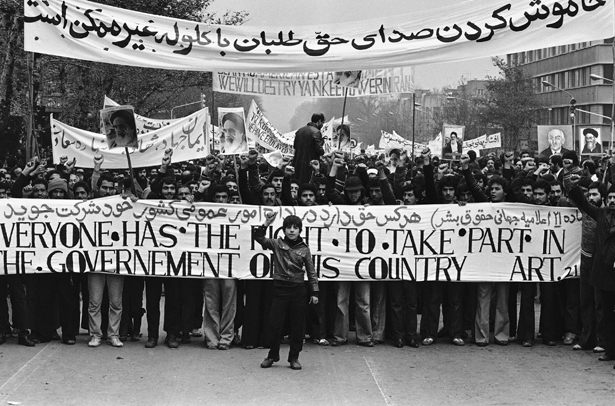
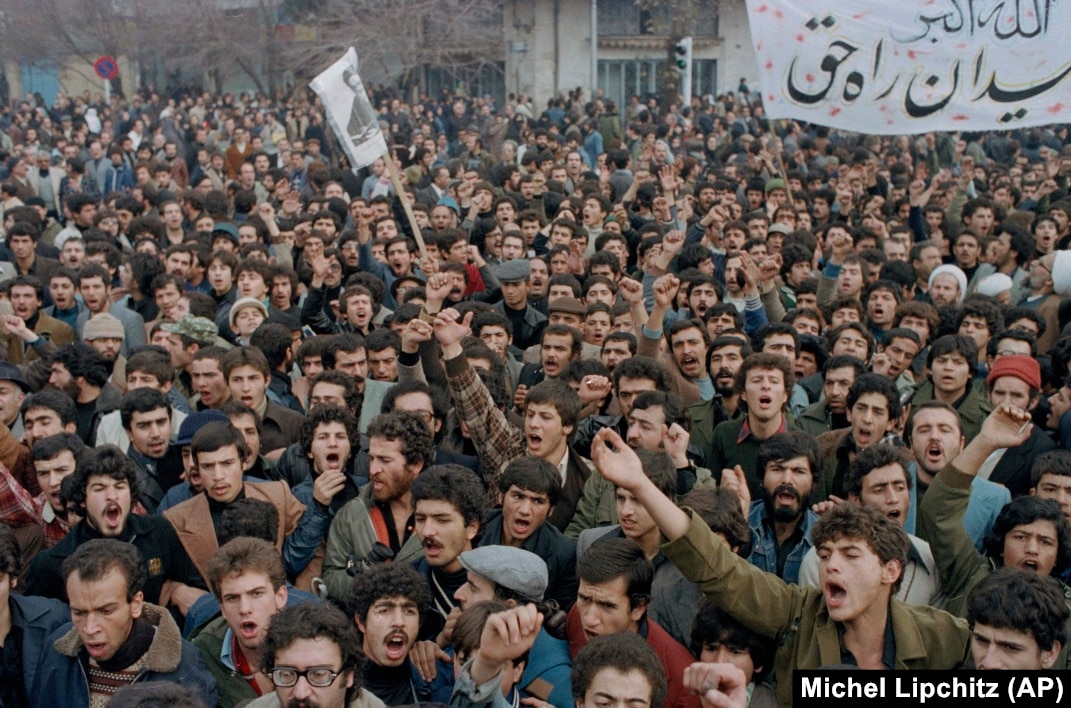
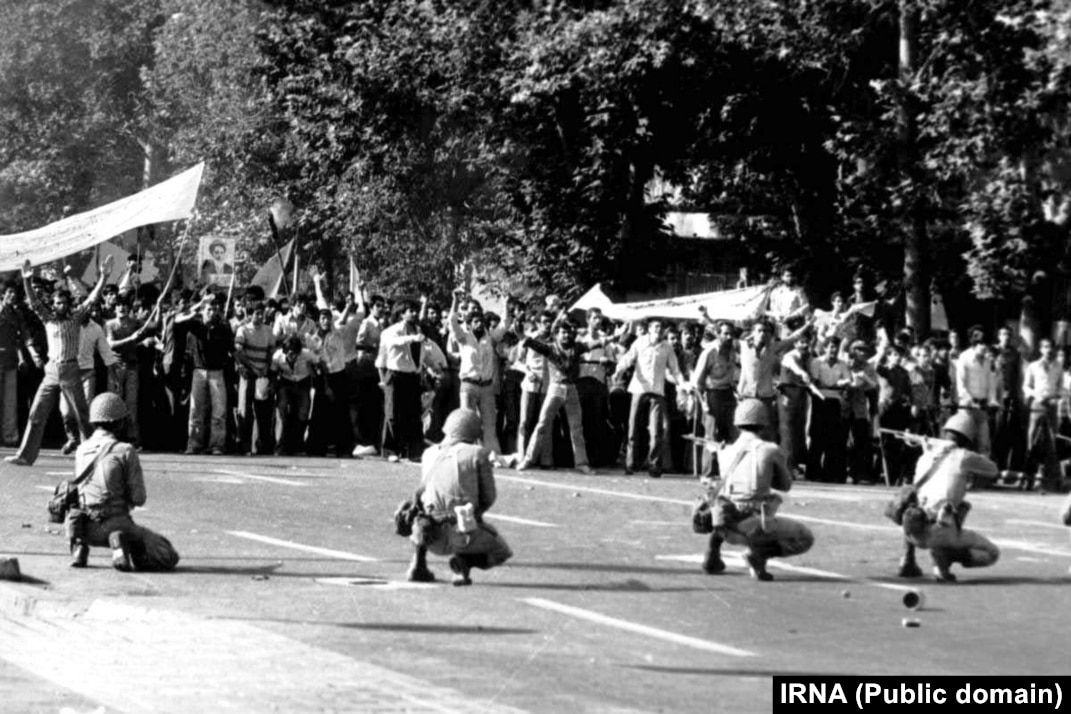
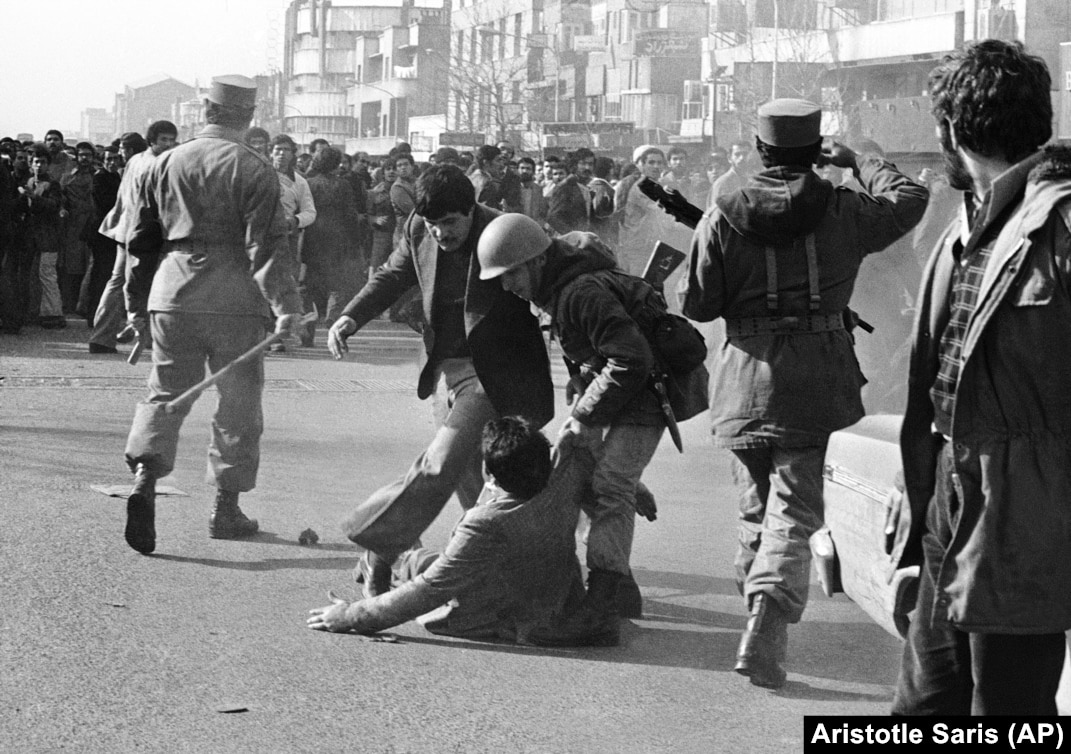
What happened structurally
Shah still had a large, modern military
Economy weakened but not collapsed
Protests escalated gradually
The निर्णायक shift
Military began refusing to fire on civilians
Elites lost confidence in the Shah
Religious opposition unified narrative
👉 Collapse followed within weeks once the army hesitated
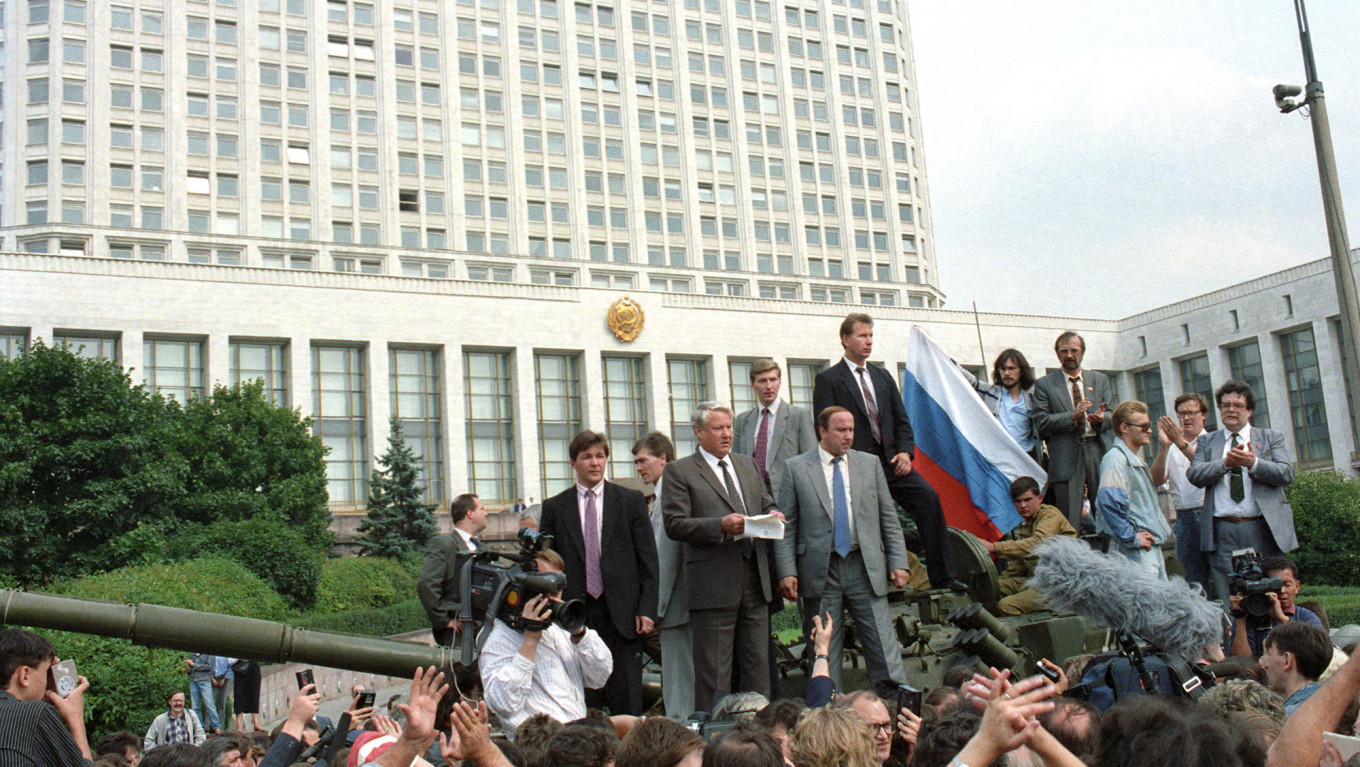
2) Dissolution of the Soviet Union
Pattern: Elite fragmentation → loss of central authority → systemic unwind


Structural reality
Massive military intact
Nuclear superpower
No foreign invasion
Failure mechanism
Communist Party fractured
Coup attempt failed → exposed weakness
Republics defected
👉 Collapse was political, not military
System dissolved from the top down
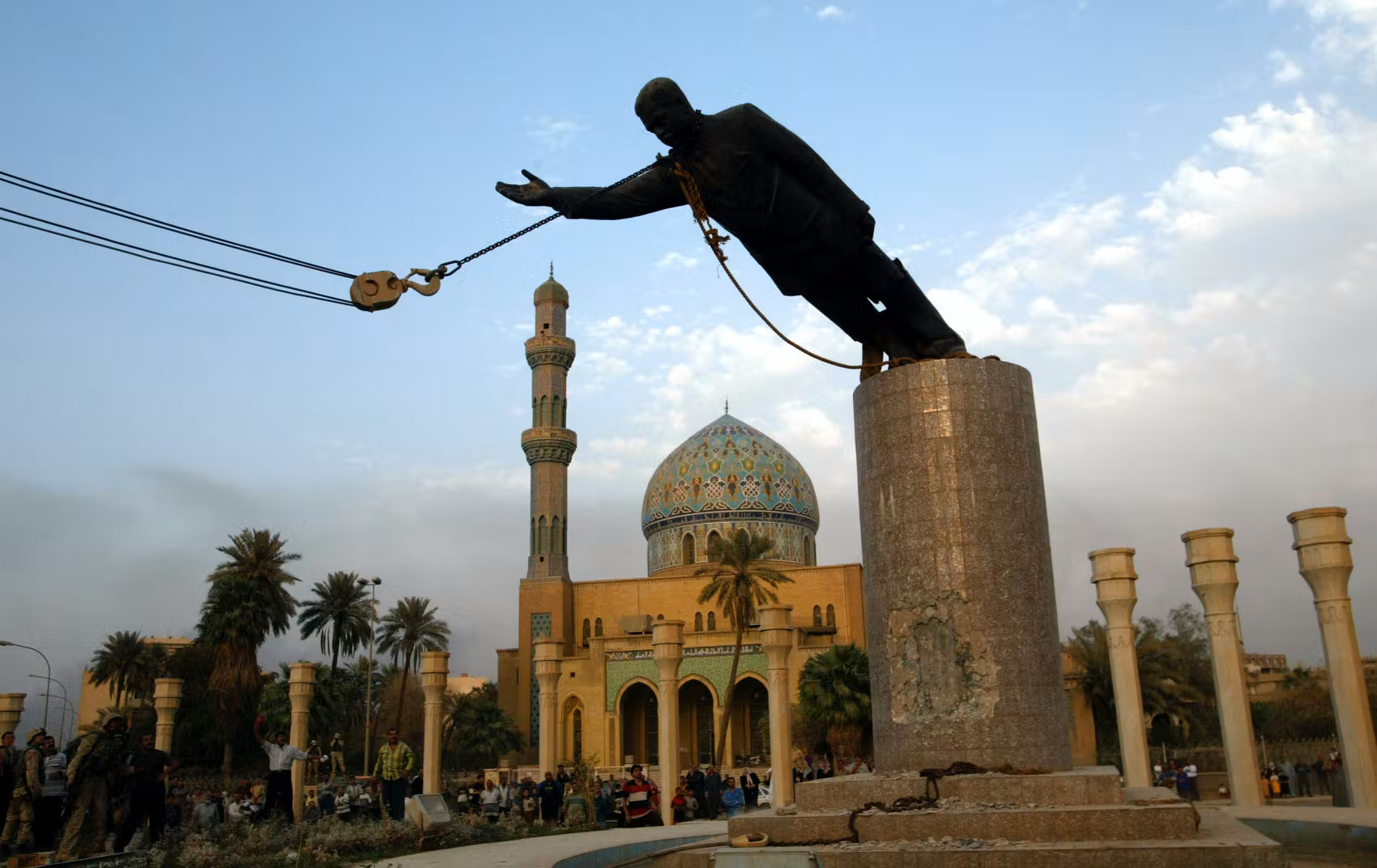
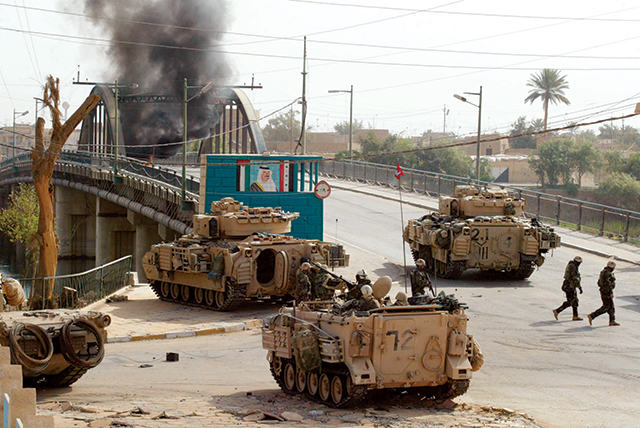
3) Iraq War
Pattern: Decapitation + coercive collapse → immediate regime failure

Structural reality
Strong internal repression under Saddam Hussein
Highly centralised command
Failure mechanism
Leadership decapitated
Army dissolved almost immediately
No ideological cohesion beyond fear
👉 Collapse occurred in days, not weeks
4) Syrian Civil War
Pattern: Coercive cohesion holds → regime survives extreme damage
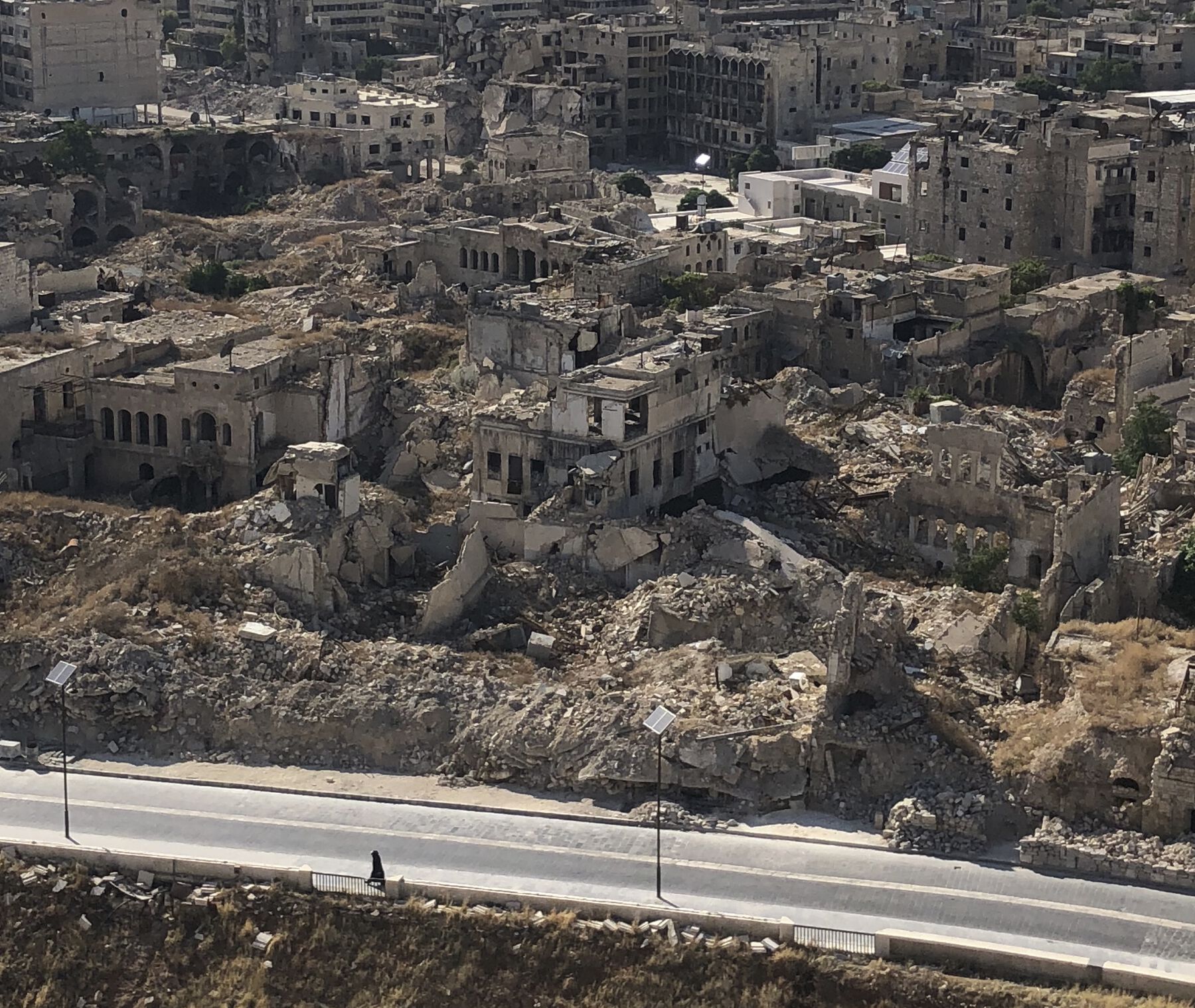
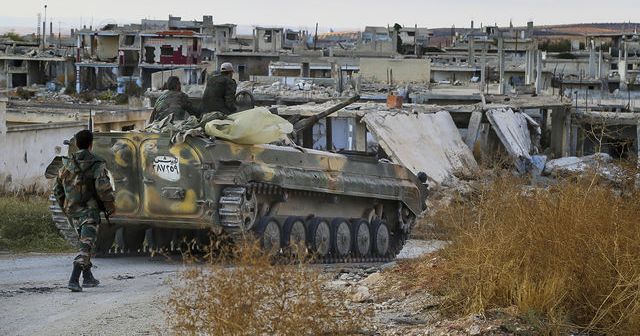
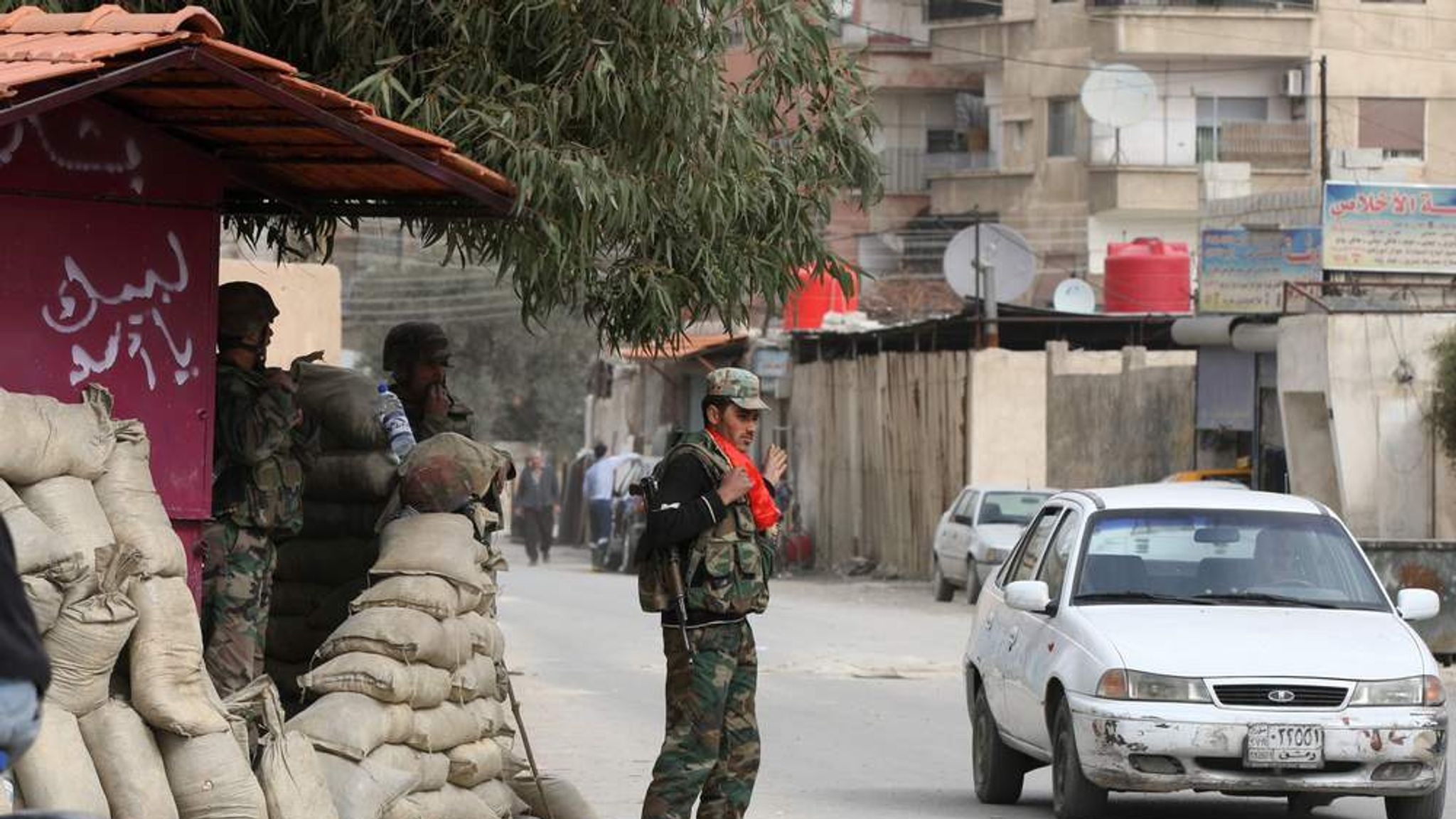
Structural reality
Massive territorial loss
Economic devastation
Millions displaced
Survival mechanism
Army and security services remained loyal
External support (Russia, Iran)
Opposition fragmented
👉 Result:
State survives despite catastrophic damage
CROSS-CASE PATTERN (THIS IS THE KEY INSIGHT)
All four cases reduce to one principle:
Regimes do not fall when they are attacked.
They fall when their coercive core stops functioning cohesively.
APPLYING THIS TO IRAN (2026)
Where Iran currently aligns
Similar to Iran 1979?
⚠️ Partially
Growing internal stress
Potential for protest escalation
BUT:
No evidence yet of security forces refusing orders
Similar to USSR 1991?
⚠️ More relevant
Leadership disruption (succession uncertainty)
Risk of elite fragmentation
👉 This is currently the closest analogue
Similar to Iraq 2003?
❌ Not currently
No ground invasion
IRGC still intact
👉 This scenario would require:
full military collapse or occupation
Similar to Syria?
✅ Strong overlap
Regime willing to absorb massive damage
Heavy reliance on security apparatus
Ideological + coercive hybrid system
👉 This is the default trajectory if no internal fracture occurs
SPEED OF COLLAPSE (CRITICAL REALITY)
| Case | Time from tipping point → collapse |
|---|---|
| Iran 1979 | Weeks |
| USSR 1991 | Months (but tipping point = days) |
| Iraq 2003 | Days |
| Syria | No collapse |
👉 Key insight:
Collapse appears slow… until it becomes extremely fast
IRAN: CURRENT TRAJECTORY MODEL
Most likely path (right now)
➡️ Syria model (survive under pressure)
IRGC intact
Internal repression functioning
External leverage (Hormuz) active
Transition risk path
➡️ USSR model (elite fracture)
Trigger conditions:
Leadership legitimacy questioned
IRGC vs clerical split
Competing authority centres
Low probability but high impact
➡️ Iran 1979 model (mass uprising + coercive hesitation)
Trigger:
Security forces stop enforcing repression
Least likely (currently)
➡️ Iraq 2003 model
Requires:
external ground invasion
total command collapse
FINAL ANALYTIC JUDGEMENT
Iran today is:
Structurally closer to Syria (resilient under fire)
but strategically at risk of USSR-style elite fracture
The single most important variable
If you strip everything else away:
Does the Islamic Revolutionary Guard Corps remain unified and obedient?
YES → regime survives (even badly damaged)
NO → collapse risk accelerates dramatically
Bottom line
Iran is not currently on a collapse trajectory
But it has entered a historically dangerous zone
The war is targeting exactly the layer (elite cohesion) that has triggered collapses in other systems
If you want, next step I can quantify this into probability bands (e.g. % likelihood of each scenario over next 30–60 days) based on current indicators.
My best estimate, based on the indicators we discussed and the latest reporting, is that Iran is more likely to survive this phase than to collapse, but the risk of a destabilizing elite split rises materially if the war stays intense beyond the next few weeks. Tehran is still rejecting a temporary ceasefire, still trying to bargain from Hormuz leverage, and still visibly using repression and staged public authority to show the system is functioning. Those are signs of a regime under strain, but not yet one in terminal breakdown. (Reuters)
Here is the probability model I would use.
Next 30 days
Regime intact, conflict continues / no decisive settlement: 40%
Regime intact, negotiated pause or limited deal: 35%
Serious internal instability or elite fracture, but no regime collapse: 18%
Regime collapse, coup, or revolutionary break: 7%
Next 60 days
Regime intact, conflict continues / no decisive settlement: 30%
Regime intact, negotiated pause or limited deal: 30%
Serious internal instability or elite fracture, but no regime collapse: 25%
Regime collapse, coup, or revolutionary break: 15%
Why I keep collapse relatively low in the next 30 days: Iran still appears to retain its three most important survival functions. First, it still has meaningful external leverage through the Strait of Hormuz, which U.S. intelligence and Reuters reporting describe as unlikely to be surrendered quickly. Second, the regime is still able to project authority publicly despite wartime attrition. Third, it is still repressing opponents through arrests and executions, which strongly suggests the coercive core is functioning. Those factors usually argue against imminent collapse. (Reuters)
Why I raise instability and collapse risk by 60 days: the same reporting also shows genuine stress at the apex. Reuters says the supreme leader has avoided public appearances, while other senior leaders have been pushed into the streets to reassure supporters after assassinations and strikes. That combination often points to fragility in elite cohesion, and elite cohesion is the pillar that usually fails before a hard authoritarian system unravels. If the war remains intense, cumulative pressure on succession, command trust, logistics, and domestic fear can move a system from “damaged but stable” to “unstable.” (Reuters)
The most likely path is still a Syria-style outcome rather than an Iraq-2003 outcome: the regime absorbs heavy damage, tightens repression, leans on nationalism and religious legitimacy, and survives while the country deteriorates. That is consistent with current facts: Iran has not accepted a simple truce, is still trying to extract political and shipping concessions, and still seems able to police the domestic arena. (Reuters)
The single biggest variable is whether the leadership problem remains cosmetic or becomes operational. If we start seeing open contradictions between senior IRGC, clerical, and civilian figures, or security forces failing to suppress protests quickly, I would raise the 60-day collapse risk sharply. Right now, Reuters reporting supports “stress and repression,” not “visible coercive fracture.” (Reuters)
The single biggest reason collapse is not higher is that Iran still has bargaining power. The near-closure of Hormuz has already become a global economic event, and Tehran is explicitly tying peace to major political conditions rather than behaving like a regime that has lost all leverage. The IMF told Reuters the war is already feeding higher prices and slower growth globally, which underlines how much strategic weight Hormuz still gives Iran. (Reuters)
So the clean judgment is this: near-term survival is still the base case; medium-term instability is rising; outright regime collapse is plausible but not yet the central forecast. (Reuters)
A useful next step would be a trigger list: the 8-10 concrete events that would make me move collapse odds up or down in real time.
Here is a real-time trigger list—the specific events that would make me raise or lower collapse probability immediately, not gradually. Think of these as decision thresholds, not background noise.
IRAN COLLAPSE – REAL-TIME TRIGGERS
🔺 TRIGGERS THAT RAISE COLLAPSE RISK (FAST)
1) Elite fracture becomes visible (highest-impact trigger)
Public disagreement between:
Islamic Revolutionary Guard Corps commanders
senior clerics
Conflicting orders or messaging from leadership
👉 Effect:
Collapse probability jumps sharply (e.g. +15–25%)
2) Leadership legitimacy crisis
Ali Khamenei (or successor)
disappears from public view for extended period
or authority openly questioned
Competing figures emerge
👉 This is the USSR 1991 trigger analogue
3) IRGC operational fragmentation
Units acting independently
Breakdown in coordination (missed responses, conflicting deployments)
Loss of control over Basij militia
👉 Critical threshold:
This is often the point of no return
4) Security forces hesitate or refuse orders
Delayed response to protests
Units standing down or withdrawing
Videos of fraternisation with civilians
👉 This was the निर्णायक moment in
Iranian Revolution
5) Sustained multi-city protests (not isolated)
Tehran + 2–3 major cities simultaneously
Protests lasting days, not hours
Security forces unable to clear them quickly
👉 Key shift: fear barrier broken
6) Failure to pay or supply coercive forces
IRGC / police salaries delayed
Fuel shortages affecting security operations
Reports of unpaid units
👉 Regimes fall when they lose their enforcers economically
7) Loss of Hormuz leverage
Iran cannot disrupt Strait of Hormuz
U.S./allies fully neutralise maritime threat
👉 Effect:
External pressure increases
Negotiating position collapses
Internal stress accelerates
8) High-profile defections
Senior IRGC commander defects or flees
Clerical leadership fractures publicly
Diplomatic corps begins abandoning regime
👉 This is a confidence cascade trigger
9) Internal armed conflict
Armed clashes between regime factions
Militias acting independently
Civil conflict inside Iran
👉 This indicates state control already failing
10) Information control collapse
Internet shutdowns fail completely
Viral footage of regime weakness spreads unchecked
Protest coordination becomes open and effective
👉 This accelerates all other triggers simultaneously
🔻 TRIGGERS THAT LOWER COLLAPSE RISK
1) Visible unified leadership
Senior figures appear together publicly
Clear command continuity demonstrated
👉 Signals elite cohesion intact
2) IRGC continues coordinated operations
Effective missile/drone strikes
Internal security operations functioning smoothly
👉 Confirms coercive core still intact
3) Rapid suppression of protests
Protests contained within hours
No spread to multiple cities
👉 Fear barrier remains intact
4) Successful use of Hormuz leverage
Continued credible disruption or threat
Global economic pressure sustained
👉 Maintains strategic relevance and bargaining power
5) Negotiated pause on favourable terms
Iran extracts concessions
Regime frames outcome as victory
👉 Reduces internal pressure significantly
6) Stable economic distribution (even if poor)
Security forces paid
Fuel and food still flowing
👉 Prevents internal breakdown
⚠️ COMPOUND TRIGGERS (MOST DANGEROUS)
These are combinations that dramatically accelerate collapse:
Scenario A (most likely collapse pathway)
Elite fracture
IRGC hesitation
multi-city protests
👉 Collapse risk → very high within weeks
Scenario B
Economic failure
unpaid security forces
information control collapse
👉 Rapid destabilisation
Scenario C
Leadership vacuum
competing authority claims
defections
👉 USSR-style disintegration
🎯 WHAT I WOULD WATCH DAILY (HIGH-SIGNAL DASHBOARD)
If you want a practical monitoring set, track:
Public appearances of Supreme Leader / successor
IRGC command statements (consistency vs contradiction)
Protest geography (single city vs multiple)
Speed of protest suppression
Fuel availability in Tehran
Evidence of Hormuz disruption capability
Any senior defections
Bottom line
Collapse will not be a surprise event—it will be preceded by very specific signals.
Right now:
You are seeing stress signals
You are not yet seeing collapse triggers
But the system is close enough that:
If 2–3 high-level triggers occur together, the timeline compresses dramatically (days to weeks).
If you want, I can convert this into a simple daily checklist or scoring model (e.g. 0–100 collapse index) so you can track changes objectively without relying on headlines.
Here is a practical, decision-grade Collapse Risk Index (CRI) you can use daily. It converts the earlier triggers into a 0–100 score with clear thresholds and update rules.
IRAN COLLAPSE RISK INDEX (CRI)
How it works
6 pillars, each scored 0–5
Weighted to reflect real-world importance
Output = 0–100 risk score
1) PILLARS & WEIGHTS
| Pillar | Weight | Why it matters |
|---|---|---|
| Elite cohesion | 25% | Primary failure trigger in most collapses |
| IRGC integrity | 20% | Coercive backbone |
| Internal control | 20% | Determines stability of cities |
| Economic control | 15% | Pays enforcers |
| Deterrence (Hormuz etc.) | 10% | External leverage |
| Information control | 10% | Multiplier / accelerator |
2) SCORING SYSTEM (0–5 per pillar)
A) Elite Cohesion (×5 multiplier → 25 pts)
0 = fully unified
1 = minor ambiguity
2 = leadership opacity (limited appearances)
3 = visible tension / inconsistent messaging
4 = factional disagreement
5 = open split / competing authority
B) IRGC Integrity (×4 → 20 pts)
0 = fully coordinated
1 = minor disruption
2 = reduced tempo
3 = coordination issues
4 = fragmentation signs
5 = breakdown / independent action
C) Internal Control (×4 → 20 pts)
0 = full control
1 = isolated protests
2 = repeated protests
3 = multi-city protests
4 = persistent protests (days)
5 = loss of city control
D) Economic Control (×3 → 15 pts)
0 = stable distribution
1 = inflation pressure
2 = shortages emerging
3 = payment delays
4 = widespread shortages
5 = systemic breakdown
E) Deterrence Capability (×2 → 10 pts)
0 = strong (Hormuz leverage intact)
1 = minor degradation
2 = reduced effectiveness
3 = intermittent capability
4 = largely neutralised
5 = ineffective
⚠️ Note: Higher score = weaker deterrence = higher collapse risk
F) Information Control (×2 → 10 pts)
0 = full control
1 = minor leakage
2 = widespread VPN use
3 = narrative contested
4 = narrative collapse
5 = uncontrolled information flow
3) CALCULATION
CRI = sum of (pillar score × weight multiplier)
Max = 100
4) INTERPRETATION BANDS
| Score | Meaning |
|---|---|
| 0–20 | Stable regime |
| 21–40 | Stressed but stable |
| 41–60 | Unstable (risk zone) |
| 61–80 | High collapse risk |
| 81–100 | Imminent / cascading failure |
5) CURRENT ESTIMATED SCORE (based on latest data)
| Pillar | Score | Weighted |
|---|---|---|
| Elite cohesion | 2–3 | 10–15 |
| IRGC integrity | 1 | 4 |
| Internal control | 2 | 8 |
| Economic control | 2–3 | 6–9 |
| Deterrence | 1 | 2 |
| Information control | 2–3 | 4–6 |
👉 Total: ~34–44
📊 CURRENT POSITION:
Upper “stressed” → entering “unstable” zone
6) DAILY UPDATE METHOD (simple checklist)
Each day, ask:
1. Leadership
Any contradictions or disappearances?
2. IRGC
Any coordination failures or unusual behaviour?
3. Protests
More cities? Longer duration?
4. Economy
Fuel shortages? Payment issues?
5. Hormuz
Still credible threat?
6. Information
Narrative holding or collapsing?
7) RAPID ADJUSTMENT RULES
These override normal scoring:
🔺 Add +10 immediately if:
Senior IRGC defection
Multi-city protests lasting >48h
Leadership authority openly challenged
🔻 Subtract −10 if:
Unified leadership appearance
Successful large-scale suppression
Strong coordinated retaliation
8) PRACTICAL USE
You can track this like a dashboard:
Weekly trend matters more than daily noise
Watch for:
Acceleration (fast rises) → dangerous
Plateau → regime stabilising
FINAL TAKE
Right now:
Iran is not collapsing—but it has crossed into the analytical “risk zone.”
The key threshold to watch:
CRI > 50 = system entering self-reinforcing instability
If you want, I can maintain a live rolling CRI update for you (daily/weekly summaries) so you don’t have to interpret fragmented news yourself.
📊 IRAN COLLAPSE RISK INDEX — UPDATE
Current CRI: 72 / 100
Change: ↑ from 69
Status: High instability — entering pre-cascade zone
---
🔺 WHAT MOVED THE INDEX UP (NEW SIGNALS)
1) Economic system now visibly breaking at the population level
War damage + sanctions → industrial collapse, unemployment spike
Prices up sharply (≈40% increases), trade disruption, shrinking economy
Government struggling to maintain operations and payroll
👉 Key shift:
> Economy has moved from macro stress → societal breakdown pressure
Impact: Economic control remains 5 / 5 (critical) but now:
Directly feeding protest potential and regime legitimacy erosion
---
2) Internal repression escalated to extreme levels (control holding, but costly)
Executions surged to multi-decade highs
Judiciary pushing accelerated executions of “enemy affiliates”
👉 Interpretation:
> Regime is successfully suppressing dissent, but only via escalating coercion
Impact:
Internal control → 4.5 / 5 ↑
(Strong, but increasingly brittle and resource-intensive)
---
3) Evidence of prior mass unrest + unresolved protest drivers
Nationwide protests across 100+ cities with explicit regime-change demands
Economic crisis remains the core trigger
Internet shutdown used to contain mobilisation
👉 Key point:
> Protest wave was suppressed, not resolved
---
4) Elite cohesion showing early divergence signals
Reports of:
mixed signals on ceasefire compliance
factions pursuing escalation vs negotiation
👉 Interpretation:
> Still cohesive—but strategic disagreement emerging
Impact: Elite cohesion → 4.5 / 5 ↓ slightly (first softening)
---
5) IRGC dominance intact—but system overextended
IRGC still controls:
economy
coercive apparatus
But:
simultaneously fighting external war
suppressing internal dissent
managing economic crisis
👉 Emerging condition:
> Multi-front strain on core regime pillar
Impact: IRGC integrity → 3.9 / 5 ↑
---
6) External pressure now structurally locked in
War + blockade + oil disruption affecting global economy
Strait of Hormuz disruption and retaliation cycles
👉 This is no longer temporary pressure:
> It is structural conflict environment
Impact: Deterrence leverage → 2.5 / 5 ↑ (active but escalatory trap)
---
⚖️ WHAT IS STILL HOLDING
1) Coercive apparatus functioning
IRGC + Basij still:
executing orders
suppressing unrest
maintaining territorial control
2) Information dominance remains strong
Proven ability to:
shut down internet nationwide
isolate population during unrest
3) No confirmed elite fracture
No large-scale defections
Command hierarchy still intact
---
📊 UPDATED PILLAR SCORES
Pillar Score Direction Key signal
Elite cohesion 4.5 ↓ Emerging strategic divergence
IRGC integrity 3.9 ↑ Overextension across war + repression
Internal control 4.5 ↑ Extreme repression maintaining order
Economic control 5.0 → Now translating into societal stress
Deterrence leverage 2.5 ↑ Active but escalatory
Information control 4.2 ↑ Proven blackout capability
---
🔥 KEY TRIGGERS (UPDATED)
Toward 80+ (cascade / breakdown)
New high-probability triggers
State payroll disruption (civil service, IRGC, Basij)
Renewed multi-city protests at pre-war scale
IRGC forced to prioritise external war over internal control
Critical tipping triggers
Verified elite split (hardliners vs negotiators)
Security force hesitation or refusal to suppress protests
Sustained oil export denial → fiscal collapse
---
Toward <65 (stabilisation)
Durable ceasefire + partial sanctions relief
Restoration of oil export flows
Elite consolidation around a single strategic line
---
🧭 SYSTEM STATE UPDATE
Iran has now entered:
> “Suppressed instability under extreme coercion”
This is a dangerous equilibrium:
The regime controls the street
But only through:
escalating violence
shrinking economic capacity
---
⚠️ CORE ANALYTIC JUDGMENT
> The system is stable only because repression is still working—
not because underlying pressures are contained.
The key shift this cycle:
> Economic collapse is now translating into population-level instability,
while repression intensity is rising to compensate
---
🔻 BOTTOM LINE
> Iran is closer to a trigger-dependent collapse thastrain9ny prior point in this cycle.
Still not in active collapse
But now:
one major shock away from cascade dynamics
The decisive variable to watch next:
> Whether the regime can continue paying and sustaining its coercive apparatus under accelerating economic strain


Comments
Post a Comment